
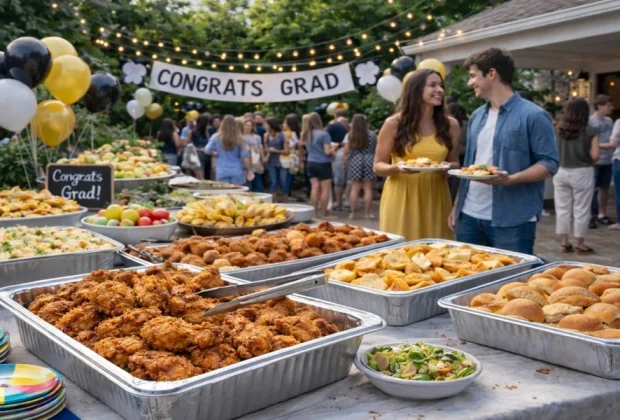
A small graduation gathering can feel thoughtful without a menu built for a much larger party. Plan for the people who have confirmed, offer a few foods with clear roles and decide how any later arrivals will be served. Pierogies can be one component, provided the preparation and service fit the kitchen rather than an imagined banquet.
Build the menu around the confirmed group
Start with the invitation's actual promise. Is this a meal for a small group at a particular time, or an informal visit during which people may drop in? Those are different hosting jobs. Clarify the arrangement before buying food, especially if guests are fitting the gathering around other commitments. Ask the invited guests about their own arrival plans so the meal reflects the group you expect.
Ask for a useful response about attendance and requirements. The goal is enough information to choose food, not a detailed accounting of everyone's day. A confirmed group lets you consider the available seating and preparation capacity. If attendance remains uncertain, tell guests how food service will work rather than quietly expanding the menu to cover every possibility.
Decide what the meal is meant to do for the occasion. It might provide a comfortable supper before people share photos and conversation. It does not have to entertain guests through a long succession of dishes. One main food, a compatible side and a separate celebratory treat can be a complete hosting idea without every item needing a graduation theme.
Keep the graduate's preferences in the plan. A favorite filling or familiar side can make the meal personal more effectively than an elaborate display chosen for photographs. Ask what they would enjoy eating with the group. The celebration belongs to the person, and the menu can reflect that without becoming a difficult custom recipe project.
Choose a small number of recognizable fillings
Use filling descriptions to make the choices meaningful. Crazy Wild Mushroom is a full-size, plant-based pierogi with potato, onion, white, portabello and porcini mushrooms. If that appeals to the group, it gives the savory meal a clear direction. A second filling should answer another preference or requirement rather than simply make the serving table look fuller.
Explain any meat or cheese ingredients plainly when discussing alternatives. Guests unfamiliar with the product names may not know what a loaded-potato or mini-bite variety contains. Current packages should remain available for complete ingredient questions. An easygoing celebration can still provide precise information without making the food feel formal.
Match the sides to the selected fillings. A fresh or simply prepared vegetable may provide contrast to a savory dumpling without adding another complex cooking task. Keep optional finishes limited. If every filling has its own sauce and garnish, the menu may become much larger in practice than it appears on paper.
Read the preparation directions before deciding how much you can serve. These products are frozen and uncooked, and the package governs cooking. Do not assume your usual equipment can prepare an expanded quantity in the same way as a small household dinner. If capacity is limited, adjust the menu or the service arrangement while there is still time.
Use serving rounds instead of one sprawling display
If guests will eat at more than one time, plan defined rounds with appropriate storage and preparation between them. That is different from leaving all the cooked food out for the duration of the gathering. The host needs to know what is being served now, what remains uncooked and stored, and who will handle the next round.
When checking the local store listings for Charlotte, confirm the varieties that fit this serving plan. A smaller, deliberate purchase is easier to organize than an assortment chosen without reference to the kitchen. The retailer should confirm the specific product you want; a map listing alone does not establish its presence.
Tell later arrivals what to expect. If supper is served at a set time, say that in the invitation. If another round is planned, explain the arrangement without promising instant individual meals whenever someone appears. Clear expectations let guests participate comfortably and keep the host from becoming a short-order cook throughout the celebration.
Keep each serving round modest and clearly labeled. Refill only through a sensible handling plan, and do not mix uncertain leftovers into a fresh batch. Follow appropriate guidance for cooked food and the package for uncooked product. A smaller display is useful because it supports controlled service, not because it makes food exempt from ordinary care.
Keep the host's workload visible
Write down the jobs that still need a person during the gathering. Someone must prepare the food, bring it to the table and manage what remains. Decorative tasks should not hide those responsibilities. If you are hosting alone, simplify the menu to what you can manage while also greeting people and participating in the occasion.
Ask a willing helper for a bounded task, such as setting out plates or placing the prepared side on the table. Avoid asking a guest to take over an unfamiliar cooking process without the product directions or context. Help is most useful when the task has a clear finish and does not create a new chain of questions.
Leave space in the schedule for the celebration itself. Photos, stories and a conversation with the graduate do not need to fit around endless kitchen trips. Once the necessary meal work is complete, let the food remain simple and join the group.
Mark the occasion with a meal chosen for the people present. A recognizable filling, a suitable side and time together can express more care than an expanding menu whose host never gets to enjoy it.